Heat pumps have moved from niche to mainstream across Connecticut because they heat and cool in one system, run quietly, and cut energy bills when sized and set up correctly. Middlefield homeowners often ask whether a heat pump can handle New England winters, what equipment works in older homes, and how rebates apply. This article shares clear, local guidance based on real field results in Middlesex County homes, with a focus on heat pump installation that stands up to January cold and July humidity.

How Heat Pumps Perform In Connecticut Winters
Cold-climate heat pumps are not the same units that struggled here twenty years ago. Modern variable-speed systems keep steady heat at outdoor temperatures near zero, and many models continue producing useful output below zero. In Middlefield, most homes see winter design temperatures around 5°F to 7°F. A properly sized cold-climate system can carry the load through most of the season without excessive electric resistance backup.
Field data from comparable New England installations show seasonal COP (coefficient of performance) ranging from 2.2 to 3.2 across the full heating season. This means the system delivers 2.2 to 3.2 units of heat for each unit of electricity. As outdoor temperatures drop, COP declines, so setup matters. Correct charge, good airflow, and a smart defrost strategy keep the system efficient during the coldest mornings.
A common worry is “Will it feel warm?” Supply air temperature from heat pumps is lower than from a gas or oil furnace, but comfort depends on even, continuous heat. Variable-speed compressors and indoor fans maintain steady room temperatures without the big swings that force short blasts of very hot air. Homeowners who prefer a warmer-feeling supply can use slightly lower airflow settings to raise the discharge temperature while balancing coil performance.
Ducted Or Ductless: Matching The Home To The System
Middlefield’s housing stock is a mix of Cape Cods, split-levels, ranches, and Colonials. Many homes already have ducts from past central AC or fossil furnaces. Others rely on baseboard heat with no ductwork. System choice follows the house.
Ducted heat pumps work best where ducts are in decent shape and sized for the airflow a heat pump needs, which is often more than what an older furnace used. If ducts are leaky or undersized, expect pressure problems, noise, and poor balance room to room. A quick duct blaster test quantifies leakage. Sealing and adding returns often solve most comfort issues.
Ductless mini-splits shine in homes without ducts or in rooms that never seem comfortable. A single-zone system can fix a cold bedroom above a garage. Multi-zone systems serve entire floors or full homes. The key is restraint: do not oversize wall cassettes. Large heads short-cycle on mild days and miss humidity targets in summer. Slim-duct or ceiling cassette options help when a wall head does not suit the room or the look.
Hybrid layouts are common in Middlefield. A ducted air handler may serve the main level, with small ductless units for finished attics, sunrooms, or additions. This approach limits duct work while giving precise control where needs vary.
Sizing Correctly: Why A Manual J Load Matters
Heat pump installation starts with a proper load calculation, not a rule of thumb. A Manual J assessment uses insulation levels, window specs, infiltration, orientation, and room dimensions. Accurate loads usually lead to smaller equipment than expected, especially after air sealing or window upgrades.
Here are common sizing mistakes and the trade-offs:
- Oversizing for “worst-case cold snap” leads to short cycles in mild weather, higher power draw, and poor dehumidification in summer. Undersizing forces electric resistance backup to run too often, raising winter bills and flattening the savings case.
A right-sized, variable-speed system runs long, quiet cycles and holds a steady setpoint. For a 2,000-square-foot Middlefield Colonial with average insulation, main-level ducted capacity might land near 24,000 to 30,000 BTU/h for heating with a supplemental ductless unit in a bonus room. Actual numbers depend on envelope condition and air leakage, which often vary more than homeowners think.
Cold-Climate Models And Backup Heat
Not every heat pump is built for Connecticut. Look for AHRI-listed cold-climate models with published capacity at 5°F. The useful test is how much of the design load the unit covers at 5°F, not just nameplate tonnage. Many systems hold 60% to 80% of rated capacity at that temperature.
Backup options include integrated electric resistance heat strips, a dual-fuel setup with an existing oil or gas furnace, or a small space heater for rare emergencies. Integrated strips are simple and safe but should only stage in at very low temperatures or during defrost. Dual-fuel can make sense for homes with newer furnaces and high electric rates, but it complicates controls. Most Middlefield installations with good envelopes rely on cold-climate equipment and minimal strip usage.
Electrical Panel And Line Sets: The Practical Prep
Before installation, a licensed technician checks panel capacity, breaker spaces, and existing line set condition. Many older split ACs used 1/4 by 3/8 line sets, which may or may not match the new heat pump’s requirements. Reusing a line set is possible if diameter, cleanliness, and routing meet manufacturer specs. Pressure test, nitrogen purge, and proper evacuation are non-negotiable.
Most 2- to 4-ton inverter units require a 208/230V dedicated circuit, often 20 to 40 amps, depending on model and heat strip size. Some homes need a panel upgrade or a subpanel. An exterior service disconnect is standard. Surge protection is wise in towns with frequent storms, and Middlefield sees its share of summer lightning and winter outages.
Humidity And Summer Comfort
Connecticut summers bring high dew points. A variable-speed heat pump should run long, lower-airflow cycles to wring out moisture. Equipment that chases setpoint too quickly leaves rooms cool but clammy. The installer sets fan profiles and coil temperatures so the system removes moisture on mild, humid days as well as the hottest afternoons.
Homeowners who like to bump the thermostat up during the day should use a modest schedule change, about 2 to 3 degrees. Large setbacks make the system run hard to catch up and encourage high airflow that reduces dehumidification time.
Indoor Unit Placement And Noise
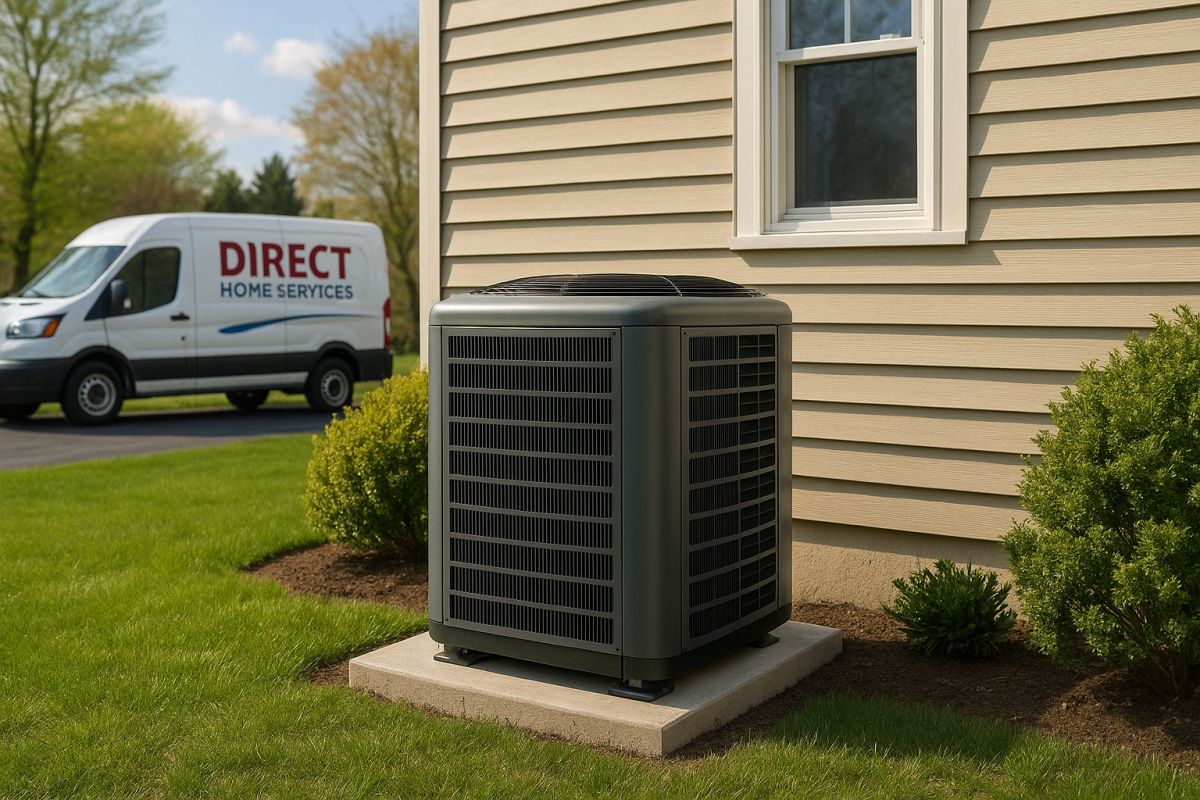
Quiet operation begins with placement. Keep outdoor condensers away from bedroom windows and hard corners that reflect sound. A stable pad, correct clearances, and flexible line set connections reduce vibration. Indoors, return air paths matter. Bedrooms without returns need undercut doors or jump ducts so the system can breathe. For ductless heads, mount away from direct seating and aim airflow across the room rather than at occupants.
Measured noise from modern outdoor units often falls in the 50 to 58 dB range at one meter in standard operation, lower in low-load conditions. Poor installation raises noise more than model differences do. A quality heat pump installation in Middlefield, CT should sound like a low hum outdoors and a quiet whoosh indoors.
Weatherization: The Cheapest Ton Of Capacity
Air sealing and insulation make heat pumps work better. A blower door test identifies leakage at the attic hatch, rim joists, can lights, and bath fans. Plugging these holes reduces the heating load and often allows smaller equipment that runs more efficiently. In many homes, sealing and insulation can drop the peak load by 15% to 30%. That change lets a 3-ton guess become a 2-ton calculation with measurable comfort gains.
Windows matter less than homeowners expect unless they are original single-pane units in poor condition. Focus first on the attic and basement rim joists. Addressing these two zones usually pays back faster and improves both winter warmth and summer moisture control.
Thermostat Strategy And Controls
Heat pumps prefer steady setpoints. A two- or three-degree setback is fine. Larger swings cause longer recovery and more strip usage on cold mornings. For dual-fuel systems, balance points and lockout temperatures should reflect actual utility rates and house performance. Many inverters work best with their manufacturer’s communicating controls, which unlock fine fan and coil adjustments. If a third-party smart thermostat is used, set heat pump mode, auxiliary heat delays, and staging carefully to prevent unnecessary backup heat.
Rebates, Incentives, And Financing In Connecticut
Connecticut often offers strong incentives for high-efficiency heat pumps through Energize CT and utility partners. Rebates vary by system type and performance tiers and can change during the year, but recent projects in Middlesex County have seen rebates in the range of several hundred to a few thousand dollars per home. Cold-climate models with higher HSPF2 and SEER2 ratings typically qualify for higher amounts. Federal tax credits under the Energy Efficient Home Improvement Credit may cover a portion of equipment and labor up to annual limits. Actual eligibility depends on model certifications and installed performance.
Local permitting in Middlefield is straightforward. Most projects require an electrical permit and a mechanical permit. A licensed contractor handles submittals, scheduling inspections, and documenting equipment model numbers for rebate paperwork. Homeowners who secure financing through on-bill options or low-interest programs often stack those benefits with rebates.
What A Quality Heat Pump Installation Looks Like
The difference between a good and a great heat pump installation shows up three ways: stable room temperatures, low noise, and winter bills that line up with the load calculation. A thorough install includes a nitrogen pressure test, triple evacuation to a deep vacuum with decay test, correct charge by weighed-in method and verified by superheat/subcooling or manufacturer charging tables, and careful airflow setup. Technicians should measure static pressure at the air handler, verify total external static falls within spec, and adjust the blower to hit target CFM per ton without whistling returns or starved rooms.
Expect a full walkthrough that covers filter sizes, drain maintenance, thermostat settings, and what to watch for during the first cold snap. A post-install visit during peak heating or cooling confirms the system behaves under real load. Many issues surface only when the weather tests the equipment.
Costs, Operating Bills, And Payback Reality
Installed costs in Middlefield vary with system type, home condition, and electrical work. As a broad range, single-zone ductless systems often start in the mid four figures. Whole-home solutions with a ducted air handler and several zones can run into the low to mid five figures before incentives. Homes needing panel upgrades, new ducts, or extensive sealing sit at the higher end.
Operating costs depend on electricity rates and how much oil or propane you offset. For an oil-heated home averaging 700 to 900 gallons per year, shifting most of the load to a cold-climate heat pump can cut annual heating spend by hundreds to a few thousand dollars at current prices. Propane homes often see even stronger savings. Natural gas homes need a closer look; savings are still common, but the gap is smaller and comfort or cooling upgrades may drive the decision more than pure payback.
Common Pitfalls And How To Avoid Them
- Choosing equipment without a load calculation leads to oversizing and humidity issues. Reusing undersized or leaky ducts blocks airflow and drives up energy use. Aggressive thermostat setbacks trigger unnecessary auxiliary heat. Ignoring condensate management risks water damage. A clean, trapped drain with a float switch prevents pan overflows. Skipping filter and coil maintenance erodes efficiency. Dirty filters raise static pressure and shorten compressor life.
Each item is preventable with planning and professional setup. The best time to fix ducts and sealing is before commissioning, not after the first heat wave.
What To Expect During A Middlefield Heat Pump Installation
On a typical project, day one focuses on protection and removal. Floors get covered, the old air handler comes out, and the team routes new line sets or verifies existing ones. The pad, mounts, and disconnect go in outside. Day two handles electrical tie-ins, pressure testing, evacuation, and charge. Controls and thermostat are brought online, and airflow is balanced room by room. A final startup visit checks pressures, temperatures, amperage, static pressure, and supply/return delta. The crew reviews documentation for permits and rebates and schedules inspection with the town.
Weather or unexpected duct issues can shift the timeline, but most single-system installations wrap in two to three days. Multi-zone ductless projects may finish faster in homes without electrical or carpentry changes.
Maintenance That Protects Performance
Heat pumps like clean air. Homeowners should replace or wash filters every one to three months, depending on use and dust load. Outdoor coils need a gentle rinse in spring and fall to clear pollen and leaves. Keep shrubs at least 18 inches from the condenser for airflow. Annual professional service checks refrigerant charge, electrical connections, defrost operation, and drain function. Small course corrections keep the system running quietly and efficiently through the extremes.
Local Context: Middlefield Homes And Neighborhood Nuance
Neighborhoods off Baileyville Road, Lake Beseck cottages, and classic Colonials near Higby Road share one theme: mixed construction histories. Some homes carry partial ductwork from past AC retrofits. Others lean on baseboards and window units. Rooflines and attic access can be tight, which guides the choice between ducted and ductless. Winter winds across open lots near Powder Hill raise infiltration, so air sealing heat pump services near me pays off. Basements can be damp in spring, making dehumidification strategy important even with good cooling capacity.
A contractor who has worked on homes on Jackson Hill Road learns where ice dams tend to form and how that affects attic air sealing. That local experience often prevents callbacks in the first cold snap. It also shapes advice about snow clearance around outdoor units after heavy storms. Keeping a shovel-width path and a clear discharge path around the condenser preserves airflow and reduces defrost frequency.
Signs You’re Ready For Heat Pump Installation
- The home already needs an AC replacement and the furnace is aging. Combining the projects makes financial sense. Oil or propane bills feel unpredictable. A heat pump stabilizes costs around electricity rates. Comfort varies room to room, especially additions or finished third floors. Zoning with ductless solves these spaces. You plan insulation or window upgrades. Reducing the load opens the door to a smaller, quieter system.
If these points describe the home, a site visit and load calculation will show clear next steps.
How Direct Home Services Helps Middlefield Homeowners Decide
Direct Home Services starts with a short conversation and a site assessment, not a sales script. A technician measures rooms, checks ducts, inspects the electrical panel, and asks about cold rooms, noise, and utility bills. The team runs a Manual J, recommends equipment matched to the home, and shows the numbers behind the choice. Proposals include rebate-eligible models, line-item electrical work, and any weatherization steps that change sizing. Installers handle permits in Middlefield, schedule inspections, and submit rebate documentation with model numbers and AHRI certificates.
After installation, the team returns for a performance check under real load, so homeowners know the system holds target temperatures and humidity. Service plans cover filter reminders, coil cleaning, and heat pump maintenance Direct Home Services annual inspections that preserve warranties and keep efficiency high.
Ready To Talk Heat Pumps In Middlefield, CT?
Homeowners who want steady comfort in winter and dry, cool rooms in summer will get strong results with the right heat pump installation. The best outcomes start with a load calculation, honest duct and electrical checks, and a plan that matches the home. Direct Home Services installs cold-climate systems across Middlefield and nearby towns and handles rebates and permits from start to finish. Call to schedule a consultation or request a visit online, and get a clear, local plan that fits the house, the budget, and Connecticut weather.
Direct Home Services provides HVAC repair, replacement, and installation in Middlefield, CT. Our team serves homeowners across Hartford, Tolland, New Haven, and Middlesex counties with energy-efficient heating and cooling systems. We focus on reliable furnace service, air conditioning upgrades, and full HVAC replacements that improve comfort and lower energy use. As local specialists, we deliver dependable results and clear communication on every project. If you are searching for HVAC services near me in Middlefield or surrounding Connecticut towns, Direct Home Services is ready to help.
Direct Home Services
478 Main St
Middlefield,
CT
06455,
USA
Phone: (860) 339-6001
Website: https://directhomecanhelp.com/
Social Media: Facebook | Instagram
Map: Google Maps